
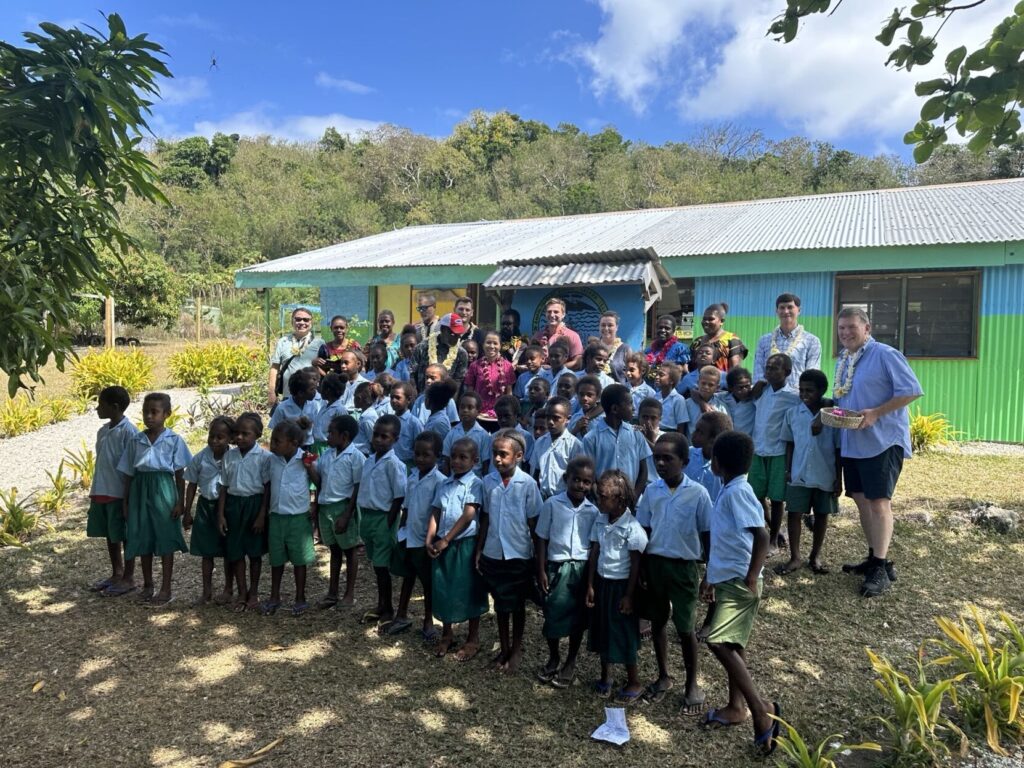
Exploring Education in Vanuatu: Schools, Challenges, and Opportunities
The education system in vanuatu schools pacific education projects faces unique challenges and opportunities that are influenced by its geography, culture, and resources. Comprising around 80 islands in the South Pacific, Vanuatu is home to a diverse population that values education as a pathway to progress. However, the islands’ scattered nature can complicate access to educational facilities and the availability of quality teaching resources.
The Structure of Education in Vanuatu
The educational system in Vanuatu consists of several levels: early childhood education, primary education, secondary education, and vocational training. Early childhood education is often informal, with preschool programs available in various communities. Primary education is compulsory and lasts for six years, focusing on foundational subjects like mathematics, language, and science. Following primary education, students can attend secondary school, which offers more specialized subjects and lasts for an additional four years.
A significant aspect of Vanuatu’s education system is its blend of both English and French curricula, a reflection of the country’s colonial history. This bilingual education helps prepare students for global opportunities and enhances their language skills, making them competitive in the job market. However, the quality of education can vary considerably between urban and rural schools.
Challenges Facing Schools in Vanuatu
Despite the structured framework of the educational system, Vanuatu’s schools face numerous challenges:
Geographic Isolation
The dispersed nature of the islands means that many children live far from schools, making daily attendance difficult. In rural areas, transportation options are limited, and families may rely on canoes or boats to travel, which can deter students from attending regularly.
Resource Shortages
Many schools, particularly in rural areas, struggle with a lack of resources. Classrooms may be overcrowded, and teachers often have to manage large groups with limited teaching materials. This can lead to a less effective learning environment, impacting student performance. Additionally, some schools lack basic facilities such as libraries and science laboratories.
Teacher Training and Retention
Another significant challenge is the need for qualified teachers. While the government has made strides in training educators, many teachers lack the necessary professional development and support. High turnover rates can also disrupt continuity in education, making it difficult for students to build strong relationships with their educators.
Opportunities for Improvement
Despite these challenges, there are multiple opportunities for enhancing education in Vanuatu:

International Partnerships
Collaboration with organizations and agencies focused on education can lead to valuable support. For instance, various Pacific education projects aim to improve resources, training, and infrastructure in Vanuatu’s schools. These partnerships can help bring innovative teaching methods and materials into classrooms.
Community Involvement
Engaging local communities in the educational process is crucial. Parental involvement, community-based support groups, and local businesses can contribute to creating a better learning environment. School committees composed of community members can advocate for better resources and facilitate dialogue between parents and educators.
Technology Integration
Emphasizing technology in education can enhance learning outcomes. Although access to the internet is limited in some areas, initiatives to bring technology into classrooms can help bridge the gap. Digital learning resources and remote learning opportunities can expand educational access for students in isolated areas.
The Future of Education in Vanuatu
As Vanuatu continues to develop, the urgency to address educational challenges will only grow. Partnerships, innovative approaches, and community-driven initiatives will be essential in shaping an effective educational landscape. Investing in children’s education not only improves individual lives but also contributes to the overall development of the nation. Education is a vital pillar for Vanuatu’s future, and with the right support, the next generation of Vanuatu’s children can thrive.
Conclusion
Education in Vanuatu is at a crossroads, with challenges that can be turned into opportunities. Understanding the unique aspects of the Vanuatu education system is crucial for educators, policymakers, and communities to work together towards a stronger, more inclusive, and efficient educational environment. It is only through a collective effort that the country can resolve its educational challenges and ensure a brighter future for its youth.