

Understanding the Sao Tome CBI Process: A Path to Economic Growth
The Sao Tome CBI Process Sao Tome CBI process (Citizenship by Investment) has garnered significant attention as a viable option for individuals seeking to enhance their global mobility while simultaneously contributing to the economic development of Sao Tome and Principe. This article aims to unpack the various dimensions of the Sao Tome CBI process, shedding light on its benefits, requirements, and implications for both investors and the host nation.
What is the Sao Tome CBI Process?
The Sao Tome CBI process allows foreign nationals to acquire citizenship in Sao Tome and Principe by making a substantial economic investment in the country. This initiative is part of the government’s strategy to attract foreign direct investment (FDI), stimulate economic development, and boost job creation. By offering citizenship in return for investment, the program not only enriches the country’s fiscal landscape but also provides investors with attractive opportunities.
Historical Context
Sao Tome and Principe, an archipelago located in the Gulf of Guinea, has historically relied on agriculture, particularly cocoa and coffee production, for its economic sustenance. However, economic diversification became imperative for sustainable growth, leading to the establishment of the CBI program. The introduction of the Sao Tome CBI process reflects a broader trend among smaller nations to explore innovative economic models and transition toward a more investment-driven economy.
Benefits of the Sao Tome CBI Process
For investors, the Sao Tome CBI process offers numerous benefits:
- Global Mobility: Citizenship grants visa-free access or visa-on-arrival options for many countries, enhancing global mobility.
- Quality of Life: Sao Tome and Principe boasts stunning natural beauty, a peaceful environment, and a relatively low cost of living.
- Tax Incentives: Favorable tax conditions can be an attractive feature for investors looking to optimize their financial affairs.
- Investment Opportunities: The program opens avenues for participation in various sectors, such as real estate, agriculture, and tourism.
Investment Options
The Sao Tome CBI process offers several investment avenues, allowing potential investors to select an option aligned with their preferences and financial capacities:
1. Real Estate Investment
One of the most popular routes involves investing in real estate. The minimum investment required typically centers around purchasing property within designated development areas. This route combines tangible asset ownership with the benefits of citizenship.
2. Government Bonds
Investors may also opt to purchase government bonds, which contribute to national development projects. Such investments serve as a secure method of obtaining citizenship while supporting the country’s infrastructure and public services.
3. Donation to National Development Fund
A more philanthropic choice involves making a non-refundable contribution to the National Development Fund. This investment directly supports socioeconomic initiatives and aids in addressing pressing issues such as healthcare and education.
Application Process
The application process for the Sao Tome CBI is streamlined to ensure efficiency. Typically, it involves several key steps:
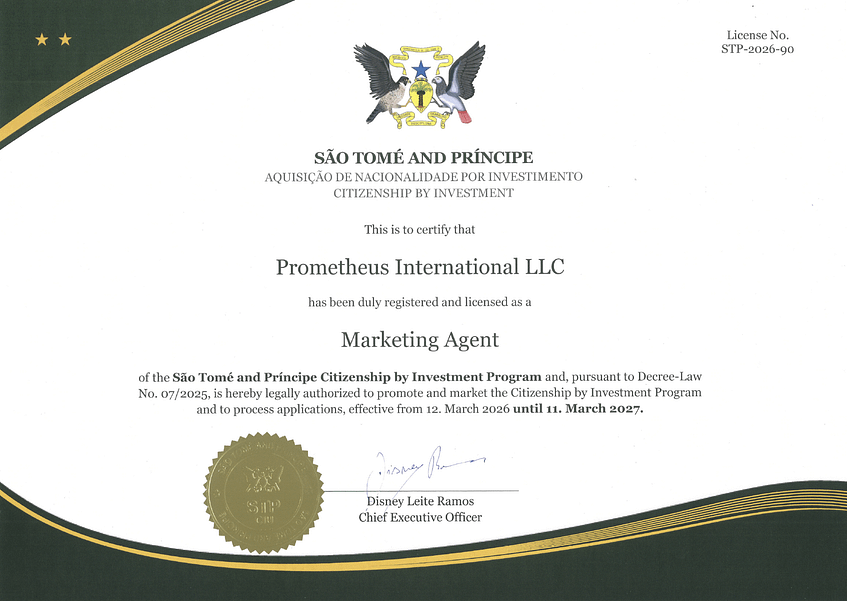
- Consultation: Prospective investors should consult with authorized agents or legal experts to understand the specific requirements and get tailored advice.
- Documentation: Preparing necessary documentation is essential. This includes identification papers, financial statements, and background checks.
- Investment Execution: Once the applicant selects an investment avenue, the required funds must be transferred accordingly.
- Application Submission: The completed application, alongside all necessary documents and proof of investment, is submitted to the relevant authorities.
- Approval Timeline: Upon review, approvals generally take a few months, after which successful applicants receive their citizenship certificates.
Impact on Sao Tome and Principe
The Sao Tome CBI process aims to elevate the socio-economic status of the nation. By harnessing foreign investments, the program not only attracts capital but also fosters job creation, infrastructure development, and improved public services. Moreover, as more investors become residents of Sao Tome and Principe, cultural exchange and knowledge transfer are expected to stimulate local development. However, like any investment program, it also invites scrutiny about its long-term implications on social equality and resource distribution.
Challenges and Considerations
While the Sao Tome CBI process seems promising, it faces several challenges:
- Regulatory Compliance: Ensuring that the program adheres to international standards is critical for its success and reputation.
- Public Perception: Managing public opinion and societal concerns regarding the influx of foreign nationals and their impact on local communities is essential.
- Economic Diversification: Balancing investments across various sectors will be necessary to avoid dependency on a singular area.
Conclusion
The Sao Tome CBI process represents an innovative approach to harnessing global capital for national growth. It offers significant benefits for both investors and the host nation, provided that the program is well-regulated and aligned with sustainable development goals. By focusing on transparency and accountability, Sao Tome and Principe can carve out a distinct economic identity while ensuring that the needs and aspirations of its citizens remain at the forefront of its development agenda. As global interest in the Sao Tome CBI process continues to grow, it stands as a testament to how small nations can leverage their unique advantages for greater economic resilience and opportunity.