
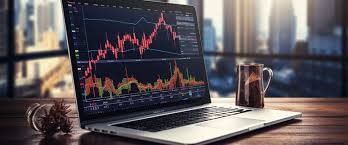
In the world of finance, the emergence of automated forex trading Turkey Brokers has transformed the landscape of trading. In parallel, automated forex trading has become a pivotal innovation, stripping away the limitations of human emotion and manual handling. This article delves into the concept of automated forex trading, its advantages, types of systems available, the technology behind them, and tips for successful implementation.
Understanding Automated Forex Trading
Automated forex trading refers to the use of software programs or algorithms to execute trading decisions in the foreign exchange market. By employing predefined rules based on technical analysis and market conditions, traders can automate entries and exits, effectively managing their trading activities without direct human intervention. This can lead to more consistent performance and reduced emotional trading.
Benefits of Automated Forex Trading
The advantages of automated forex trading are numerous. Here are some key benefits that traders often cite:
- Emotion-Free Trading: Automated systems only follow the strategies they are programmed with, eliminating emotional influences that can lead to poor decision-making.
- Backtesting Capabilities: Traders can use historical data to evaluate how their strategies would have performed in the past, helping to refine approaches before risking real money.
- Consistent Execution: Automated systems can monitor the market 24/5, ensuring that trades are executed immediately when conditions are met, which is often difficult for manual traders to achieve.
- Time Efficiency: Traders can set their automated systems to operate while they engage in other activities, allowing for multitasking and better use of time.
- Advanced Trading Strategies: Algorithms can analyze vast amounts of data at high speeds, allowing the implementation of complex trading strategies that might be impossible for human traders to execute effectively.
Types of Automated Trading Systems
There are various types of automated trading systems that cater to different trading styles and preferences:
- Expert Advisors (EAs): Commonly used in MetaTrader platforms, EAs are scripts that automatically execute trades based on specific user-defined parameters.
- Algorithmic Trading Systems: These are generally custom-built systems that use complex algorithms to make trading decisions based on a wide array of inputs and market conditions.
- Copy Trading Systems: Platforms like ZuluTrade allow users to automatically copy the trades of profitable or successful traders.
- Signal Services: These systems provide alerts to traders based on specific conditions and allow traders the choice to execute trades manually or automatically.
Technology Behind Automated Trading
The technology that powers automated trading involves a combination of algorithmic trading strategies and advanced computing capabilities. Key components include:
- Trading Platforms: Software like MetaTrader and NinjaTrader allows traders to develop and implement their automated trading strategies with user-friendly interfaces.
- APIs (Application Programming Interfaces): These allow different software programs to communicate, enabling the building of custom trading solutions that integrate with broker services.
- Artificial Intelligence and Machine Learning: More advanced trading algorithms utilize AI to adapt to changing market conditions and improve decision-making over time.
Choosing the Right Automated Trading System
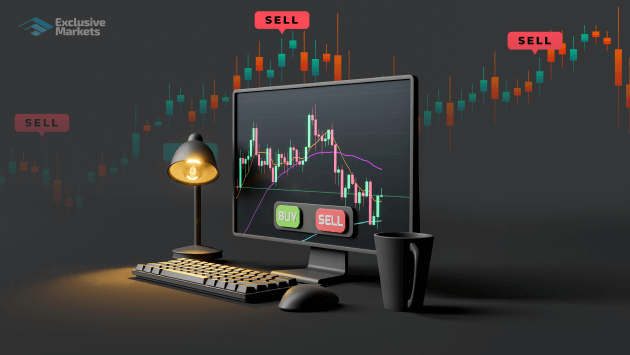
Selecting the right automated trading system is crucial for success. Here are some considerations to keep in mind:
- Trading Strategy Compatibility: Ensure the system supports the trading strategy you intend to use, whether it be scalping, day trading, or long-term investing.
- Customizability: A good automated system should allow you to adjust parameters and strategies as market conditions evolve.
- Performance History: Look for systems with a verifiable track record of performance through backtesting and forward-testing results.
- Ease of Use: The interface should be user-friendly, enabling traders of all skill levels to implement and manage their automated systems effectively.
- Support and Community: A strong support system and active community can provide valuable resources and insights as you embark on your automated trading journey.
Risks and Considerations
Despite its numerous benefits, automated forex trading carries inherent risks. Traders should be aware of:
- Market Risk: No system can guarantee profits, and adverse market conditions can result in significant losses.
- Technical Failures: Software bugs, connectivity issues, or outages can disrupt trading activities, so having contingency plans is essential.
- Over-Optimization: A common pitfall is excessively fine-tuning a trading strategy based on past data, often leading to poor performance in real-time trading.
- Regulatory Compliance: Ensure the trading system complies with relevant regulations to avoid legal complications.
Conclusion
Automated forex trading has revolutionized the way traders operate in the forex market. By leveraging advanced technology and algorithms, traders can execute strategies with precision and efficiency, ultimately maximizing their potential for profit. However, as with any investment strategy, careful consideration of the potential risks and thorough evaluation of available systems is essential for ensuring long-term success. By understanding both the opportunities and challenges presented by automated trading, traders can navigate the complexities of the market and enhance their trading strategies for optimal performance.
